5 Miami Office Cleaning Benchmarks for 2026


By PSM • October 7, 2026

Miami office cleaning should typically be scheduled daily for high-traffic areas, several times weekly for shared workspaces, and weekly or monthly for lower-use spaces. In humid South Florida, professional cleaning must also control moisture, sanitize touchpoints, and respond quickly to spills to protect indoor air quality and reduce mold risk.

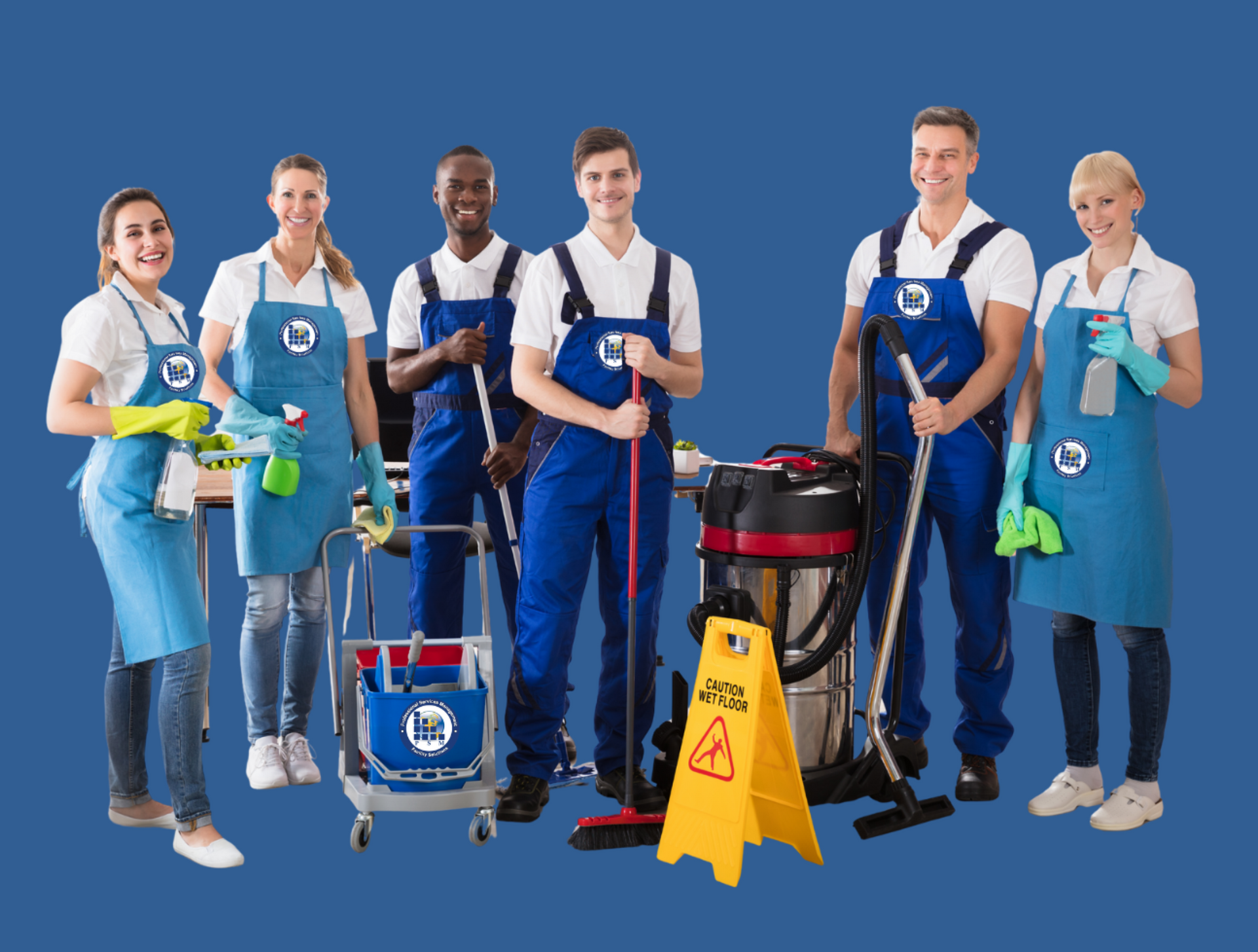
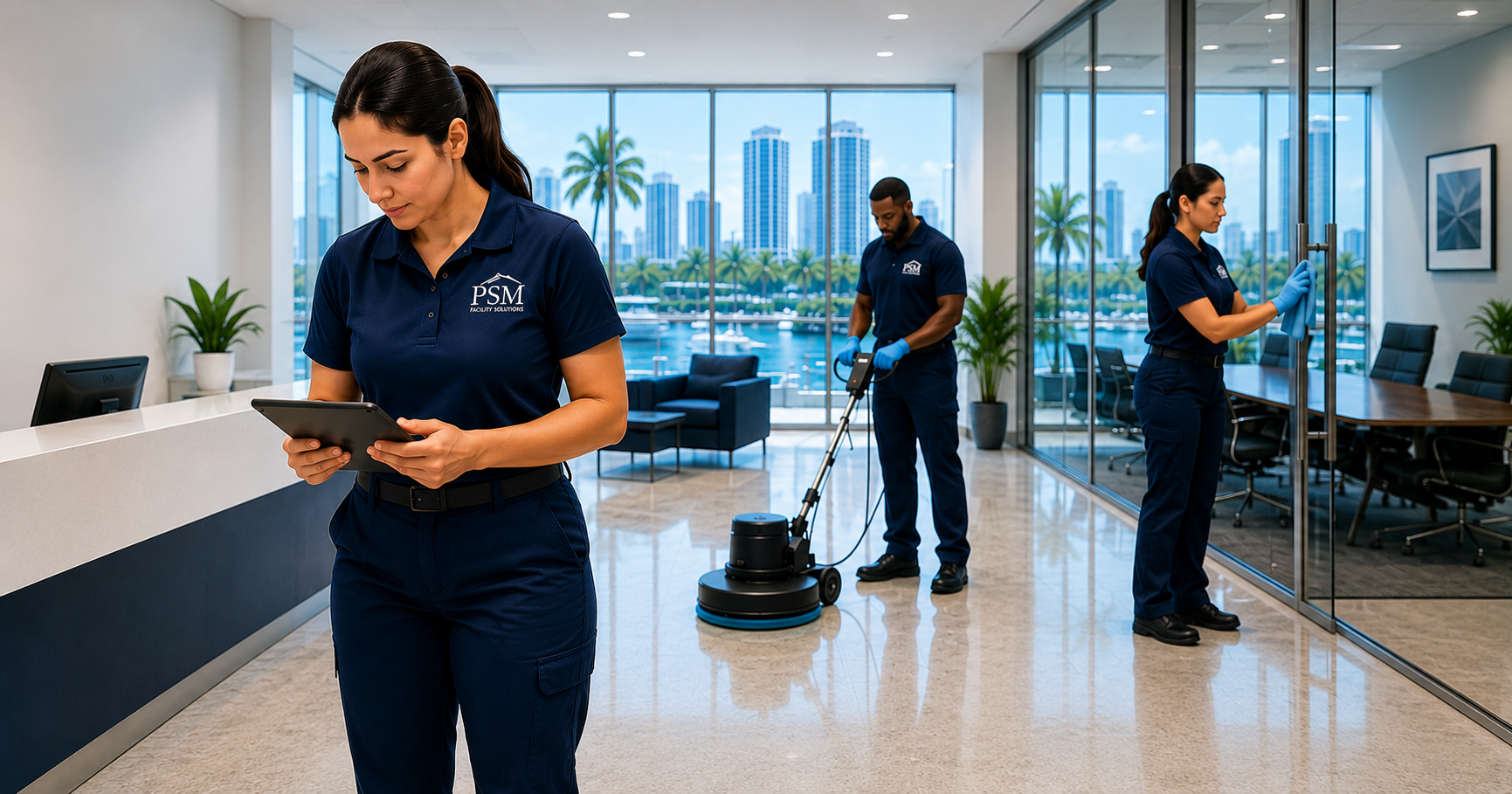
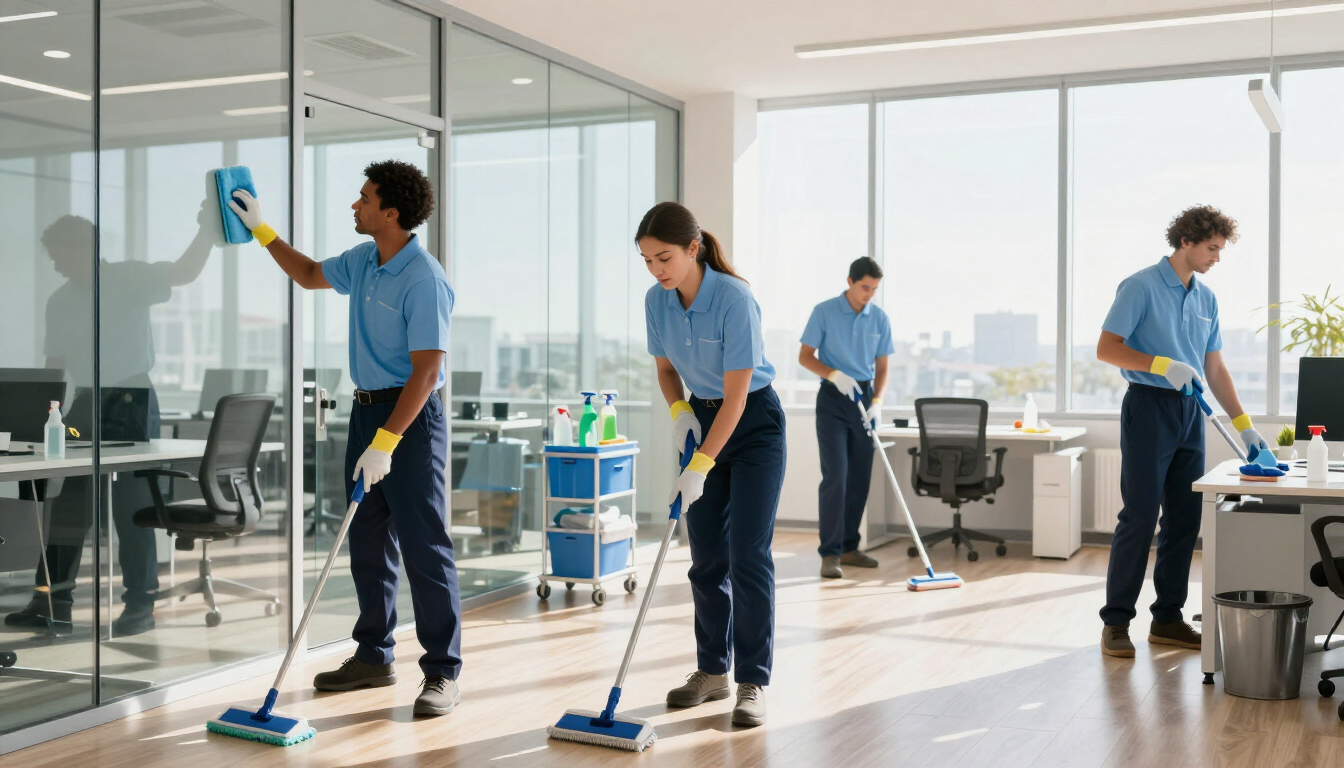
Miami office cleaning team sanitizing a modern workplace

What Determines How Often a Miami Office Should Be Cleaned?

There is no single cleaning frequency that fits every Miami facility. The right schedule depends on how many people use the building, what activities occur inside it, and how quickly dirt, moisture, and germs accumulate.

The most important factors include:

  • Foot traffic: Busy offices, lobbies, elevators, and reception areas need more frequent attention.
  • Humidity and weather: South Florida’s heat, rain, and humidity can increase odors, moisture, and mold risk.
  • Workplace activities: Medical, food-related, industrial, and customer-facing operations usually require specialized cleaning.
  • Occupancy patterns: A full office may need daily service, while a small hybrid workplace may need a less frequent schedule.
  • Health and safety requirements: High-touch surfaces, restrooms, and break rooms should receive consistent attention.

A professional assessment can turn these variables into a practical cleaning plan. PSM provides flexible janitorial services designed around each facility’s requirements rather than a one-size-fits-all checklist.

Recommended Miami Office Cleaning Frequency at a Glance

Entryways, Lobbies & Reception Areas


Daily

Removes tracked-in dirt and debris while creating a clean, professional first impression.


Restrooms

Daily + Routine Checks

Helps control germs and odors while keeping soap, paper products, and other supplies stocked.


High-Touch Surfaces

Daily or Multiple Times Daily

Keeps door handles, light switches, counters, and shared equipment cleaner throughout the day.


Break Rooms & Kitchens

Daily

Removes food residue, spills, trash, and odors while keeping shared spaces sanitary.


Workstations & Shared Offices

2–3 Times Per Week

Controls dust and visible debris while minimizing disruption to employees.


Floors & Carpets

Daily Spot Cleaning + Scheduled Deep Cleaning

Maintains appearance, removes dirt and debris, and can help extend the life of flooring and carpeting.


Windows & Interior Glass

Monthly or Quarterly

Removes fingerprints, smudges, and buildup for a cleaner, more polished appearance.


Upholstery & Detailed Dusting

Monthly or Quarterly

Removes accumulated and embedded dust from furniture and less frequently cleaned surfaces.

These are starting points, not rigid rules. A cleaning provider should adjust the schedule after reviewing your facility’s layout, materials, occupancy, and operating hours.

How Often Should High-Traffic Miami Offices Be Professionally Cleaned?

High-traffic offices generally benefit from daily professional cleaning , with additional daytime checks for restrooms, entrances, and other heavily used areas. Facilities with hundreds of employees, frequent visitors, or public-facing operations may need cleaning crews present throughout the day.

A daily high-traffic service commonly includes:

  1. Vacuuming carpets and entry mats.
  2. Sweeping and mopping hard floors.
  3. Cleaning and disinfecting high-touch surfaces.
  4. Restocking restroom and break-room supplies.
  5. Removing trash and recycling.
  6. Cleaning restroom fixtures and floors.
  7. Spot-cleaning glass, doors, walls, and visible spills.

For offices near busy roads, construction, or major commercial corridors, entryways may require more frequent attention because dust and soil are tracked inside. Rainy periods can also increase the need for mat maintenance and floor care.

Does Miami Humidity Change the Cleaning Schedule?

Yes. Humidity should influence both cleaning frequency and the speed of response to water or condensation. The EPA recommends keeping indoor relative humidity below 60%, ideally between 30% and 50%. Wet materials should be dried within 48 hours to help reduce mold risk.

Cleaning alone cannot replace proper HVAC operation, leak repairs, or moisture management. However, a professional cleaning program can support those efforts by:

  • Removing damp debris before it becomes a persistent odor source.
  • Drying spills and wet entry areas quickly.
  • Cleaning around vents, baseboards, corners, and other dust-collecting locations.
  • Reporting leaks, condensation, staining, or recurring moisture to facility managers.
  • Reducing organic residue that can support microbial growth.

If a carpet, ceiling tile, wall, or other porous material becomes wet, notify the appropriate facility or maintenance professional promptly. PSM’s maintenance and repair services can complement routine janitorial work when a cleaning issue points to a building problem.

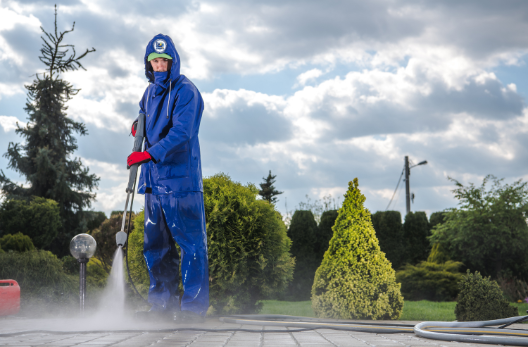
Professional cleaner inspecting a humid South Florida office lobby

Which Office Areas Need Cleaning Every Day?

Certain spaces should be included in every regular service visit because they collect the most soil, moisture, food residue, or contact from multiple people.

Restrooms

Restrooms should be cleaned and disinfected daily, with additional inspections in busy facilities. Service should cover toilets, urinals, sinks, faucets, counters, mirrors, partitions, floors, dispensers, and high-touch door hardware. Supplies should be checked at the same time.

Entrances and Lobbies

Entryways are the first line of defense against outdoor soil. Staff should vacuum or clean mats, remove visible debris, mop hard floors, clean entry glass, and address rainwater quickly. A well-maintained entrance also improves the visitor experience.

Break Rooms and Kitchens

Food residue and moisture can create odors and attract pests. Daily service should include counters, sinks, appliance exteriors, tables, floors, trash containers, and frequently touched handles. Shared refrigerators and microwaves may need a separate agreed-upon schedule.

High-Touch Surfaces

Handles, light switches, elevator buttons, handrails, copier controls, shared keyboards, and reception counters deserve regular attention. Cleaning products and dwell times should be selected according to the surface and manufacturer guidance.

What Should Be Cleaned Weekly or Monthly?

Not every task needs to happen daily. A tiered plan keeps essential areas consistently clean while scheduling detailed work efficiently.

Weekly tasks may include:

  • Detailed dusting of ledges, partitions, vents, and accessible surfaces.
  • Edge and corner cleaning around floors and furniture.
  • More thorough carpet vacuuming beneath movable furniture.
  • Cleaning interior doors, frames, and less frequently touched surfaces.
  • Reviewing recurring stains, odors, or maintenance concerns.

Monthly or quarterly tasks may include:

  • Carpet extraction and upholstery cleaning.
  • Floor scrubbing, refinishing, or other scheduled floor care.
  • High and low dusting where safe and appropriate.
  • Interior glass and detailed window cleaning.
  • Cleaning storage areas, supply rooms, and infrequently used spaces.

The correct interval depends on surface type and traffic. For example, a lobby carpet may need extraction monthly, while a lightly used executive office may need it only quarterly. A written scope prevents important detail work from being overlooked.

How Should Small or Hybrid Offices Adjust Cleaning Frequency?

Small and hybrid offices can often use a flexible schedule, but lower occupancy does not eliminate the need for sanitation. Shared desks, conference rooms, kitchens, and restrooms may experience concentrated use on certain days.

A practical hybrid-office model might include:

  • Daily or occupied-day service: Restrooms, kitchens, entrances, trash, spills, and high-touch points.
  • Two or three visits weekly: Work areas, conference rooms, floors, and dusting.
  • Weekly detail service: Less-used offices, storage areas, glass, and interior fixtures.
  • Monthly or quarterly projects: Carpets, upholstery, floor treatment, and high dusting.

Track occupancy patterns for several weeks before finalizing the plan. If employees are in the office Tuesday through Thursday, those days may require the most intensive service. The schedule should also allow rapid response for spills, illness concerns, events, and unexpected traffic.

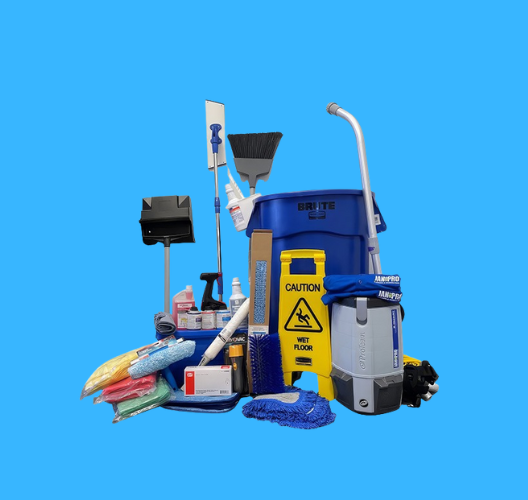
Detailed commercial floor care in a clean Miami office

Should You Choose Daytime or After-Hours Cleaning?

The best service window depends on your operations, security requirements, and desired level of visibility.

After-hours cleaning can reduce disruption and allow crews to complete vacuuming, floor care, restroom work, and trash removal with fewer people present. It may be ideal for offices that require quiet during business hours.

Daytime cleaning provides faster response for spills, restroom checks, supply replenishment, and high-touch disinfection. It can also make sense for facilities that operate continuously or have a large public-facing area.

Many Miami offices benefit from a hybrid approach: after-hours cleaning for the main service and daytime porter coverage for high-traffic needs. A provider should coordinate access, alarms, storage, chemical handling, and communication with your team.

How Can You Tell If Your Office Needs More Frequent Cleaning?

Your current schedule may be insufficient if you regularly notice:

  • Restrooms running out of supplies or developing persistent odors.
  • Visible dirt, streaks, trash, or fingerprints before the next service visit.
  • Damp carpets, musty smells, condensation, or recurring stains.
  • Increased employee complaints about shared spaces.
  • Break rooms that remain visibly dirty during the workday.
  • High-touch areas that are rarely cleaned or documented.
  • Cleaning staff rushing through too many tasks during a short visit.

Use these observations as evidence rather than relying only on calendar intervals. Walk the facility at different times of day and record where problems appear, when they appear, and how quickly they return after cleaning.

A Practical 2026 Office Cleaning Checklist

Use this checklist when reviewing a janitorial proposal or auditing an existing program:

  1. Identify the busiest areas and highest-contact surfaces.
  2. Measure occupancy by day and time.
  3. Review humidity, HVAC, leaks, condensation, and recent water events.
  4. Separate daily duties from weekly, monthly, and quarterly projects.
  5. Define restroom inspections, supply replenishment, and escalation procedures.
  6. Confirm products, equipment, safety practices, and staff training.
  7. Set quality standards and a process for reporting missed work.
  8. Reassess the schedule after seasonal changes, renovations, events, or occupancy increases.

For broader facility planning, explore PSM’s How We Work approach and The Clean Advantage for additional context on service quality and consistency.

Frequently Asked Questions

Is professional office cleaning necessary every day in Miami?

Many Miami offices need daily cleaning because of high foot traffic, humidity, shared surfaces, restrooms, and food-service areas. Smaller, lightly occupied offices may use several visits per week if essential areas are inspected and cleaned consistently.

How often should a Miami office be disinfected?

High-touch surfaces should be cleaned regularly, typically daily or more often in busy areas. Disinfection should follow the product label and be used as part of a broader cleaning program, not as a substitute for removing dirt and residue.

How quickly should an office address water intrusion?

Address water intrusion immediately. Wet materials should be dried as quickly as possible and within 48 hours when feasible to help reduce mold risk. Persistent leaks or moisture require qualified building or maintenance attention.

What is the best cleaning schedule for a commercial office?

The best schedule combines daily service for restrooms, entrances, kitchens, trash, spills, and high-touch surfaces with weekly and periodic detail work. The exact frequency should reflect traffic, humidity, facility type, and operating hours.

How can I request a customized cleaning plan?

Start by documenting your facility’s size, occupancy, busiest areas, current pain points, and preferred service hours. Then request a walkthrough and written scope through Get A Quote .

Key Takeaways

Miami office cleaning should be based on traffic, humidity, occupancy, and the function of each space—not on a generic calendar. Daily attention is usually appropriate for restrooms, entrances, kitchens, trash, spills, and high-touch surfaces. Weekly and monthly services can handle detailed dusting, carpets, upholstery, windows, and floor care.

For the best result, inspect your facility during its busiest periods, document recurring problems, and choose a provider that can adjust service as conditions change. If your office has persistent moisture, odors, or surface issues, combine janitorial service with the right maintenance response. A customized plan helps protect employee well-being, preserve your facility, and maintain a consistently professional environment.


Insights to fuel a clean business

Sign up to get industry insights, trends, and more in your inbox.

Contact Us

SHARE THIS

Latest Posts

Self-performing janitorial team cleaning a South Florida office
By PSM Facility • September 21, 2026
Learn why a self-performing janitorial team helps South Florida facilities overcome labor shortages, improve accountability, and protect cleaning quality in 2026.
Professional cleaning verification via GPS technology in a commercial setting
By PSM Facility Solutions • September 8, 2026
Discover why Proof of Service is mandatory for modern facility management and how GPS tracking ensures your janitorial services are actually performed.
Stressed facility manager reviewing multiple vendor contracts and invoices in a modern office.
By PSM Facility Solutions • August 31, 2026
Managing multiple facility maintenance vendors leads to hidden administrative and operational costs. Learn how vendor consolidation improves efficiency and lowers your bottom line.
PSM Facility Solutions new modern brand identity logo and clean facility environment
By PSM Facilities • August 20, 2026
PSM Facility Solutions unveils a fresh, modern brand reflecting 22 years of growth and innovation in South Florida janitorial and maintenance services.

A modern, clean commercial facility in South Florida representing consolidated services.
By PSM Faciity • July 28, 2026
Learn why partnering with one facility management company for cleaning, maintenance, and supplies reduces costs and improves efficiency compared to multiple vendors.
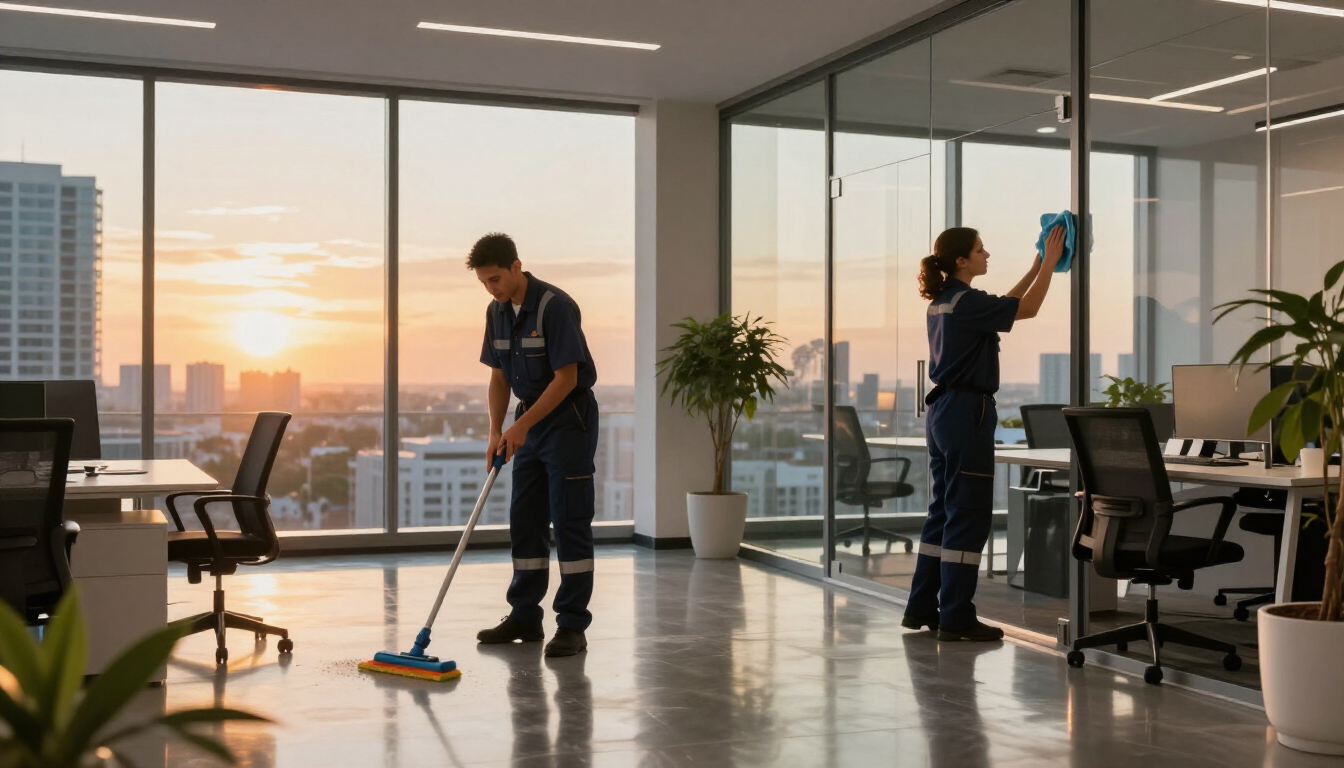
Professional janitorial team in a Miami office building lobby
June 7, 2026
Discover why the self-performing model for facility management is the superior choice for Miami businesses, offering better quality control and reliability.
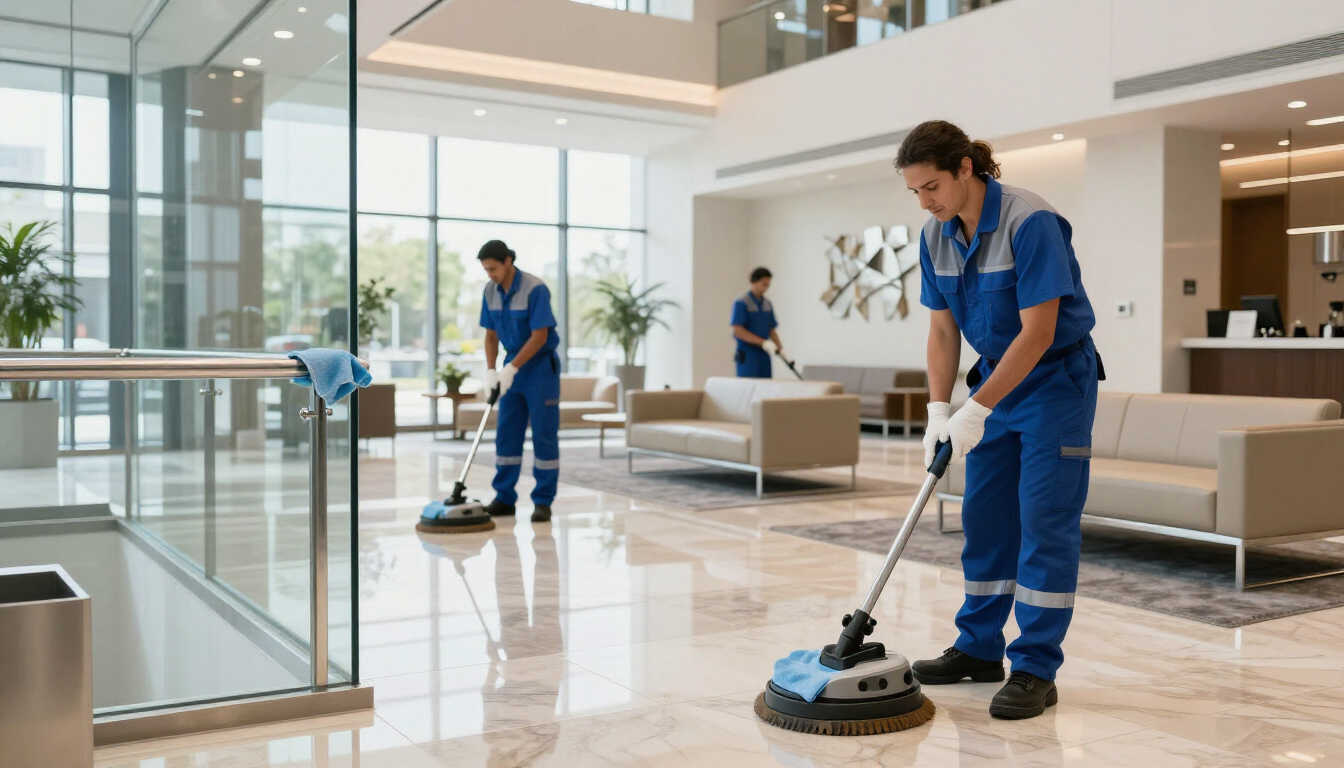
Professional janitorial staff cleaning a commercial office space.
June 7, 2026
Discover the key differences between commercial cleaning vs janitorial services. Learn which solution fits your South Florida business needs for daily maintenance or deep cleaning.
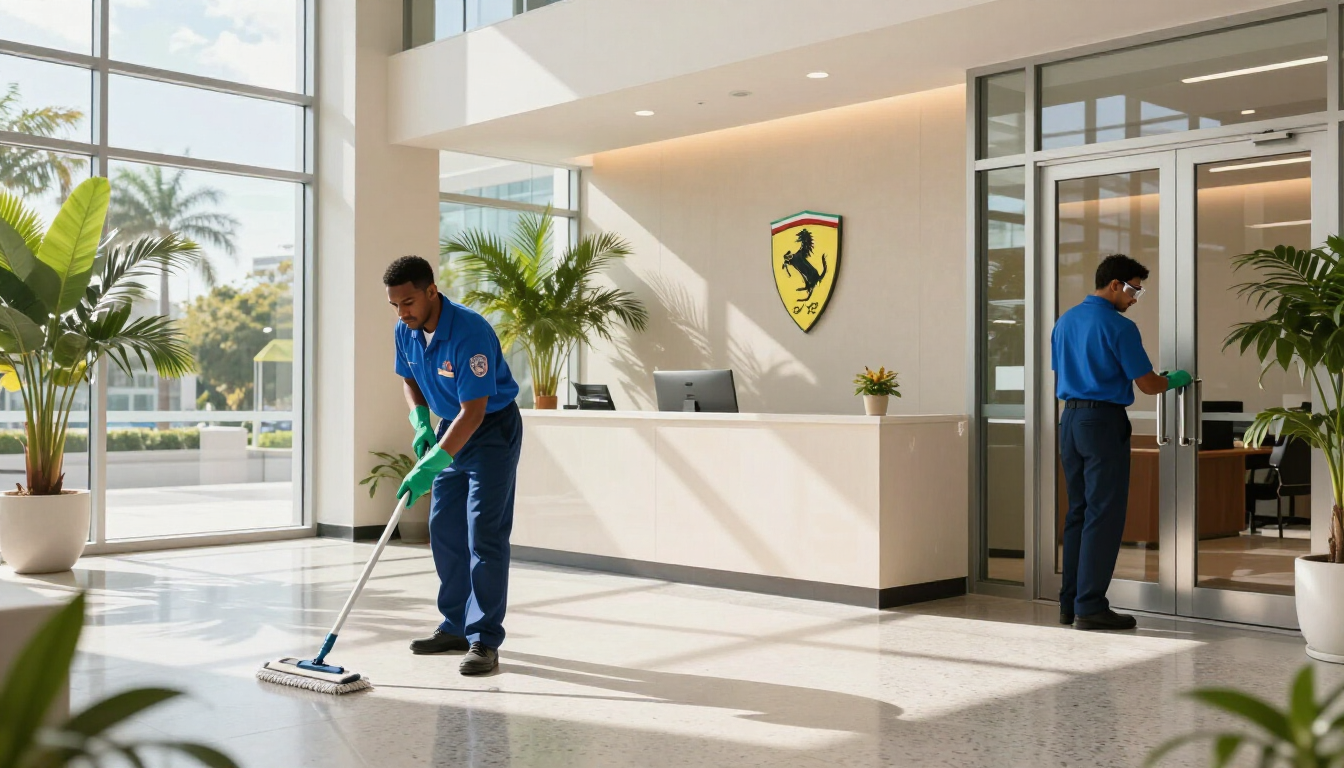
Professional janitorial services for South Miami commercial buildings.
June 7, 2026
Discover how professional janitorial and porter services in South Miami keep commercial and industrial buildings pristine. Learn the benefits of daytime maintenance and deep cleaning for your facility.