5 Reasons to Choose a Self-Performing Janitorial Team


By PSM Facility • September 21, 2026

A self-performing janitorial team is a cleaning provider that hires, trains, manages, and supervises its own employees instead of relying primarily on subcontractors. For facilities facing labor shortages, this model offers stronger accountability, more consistent service, faster communication, and better control over quality, staffing, safety, and client expectations.

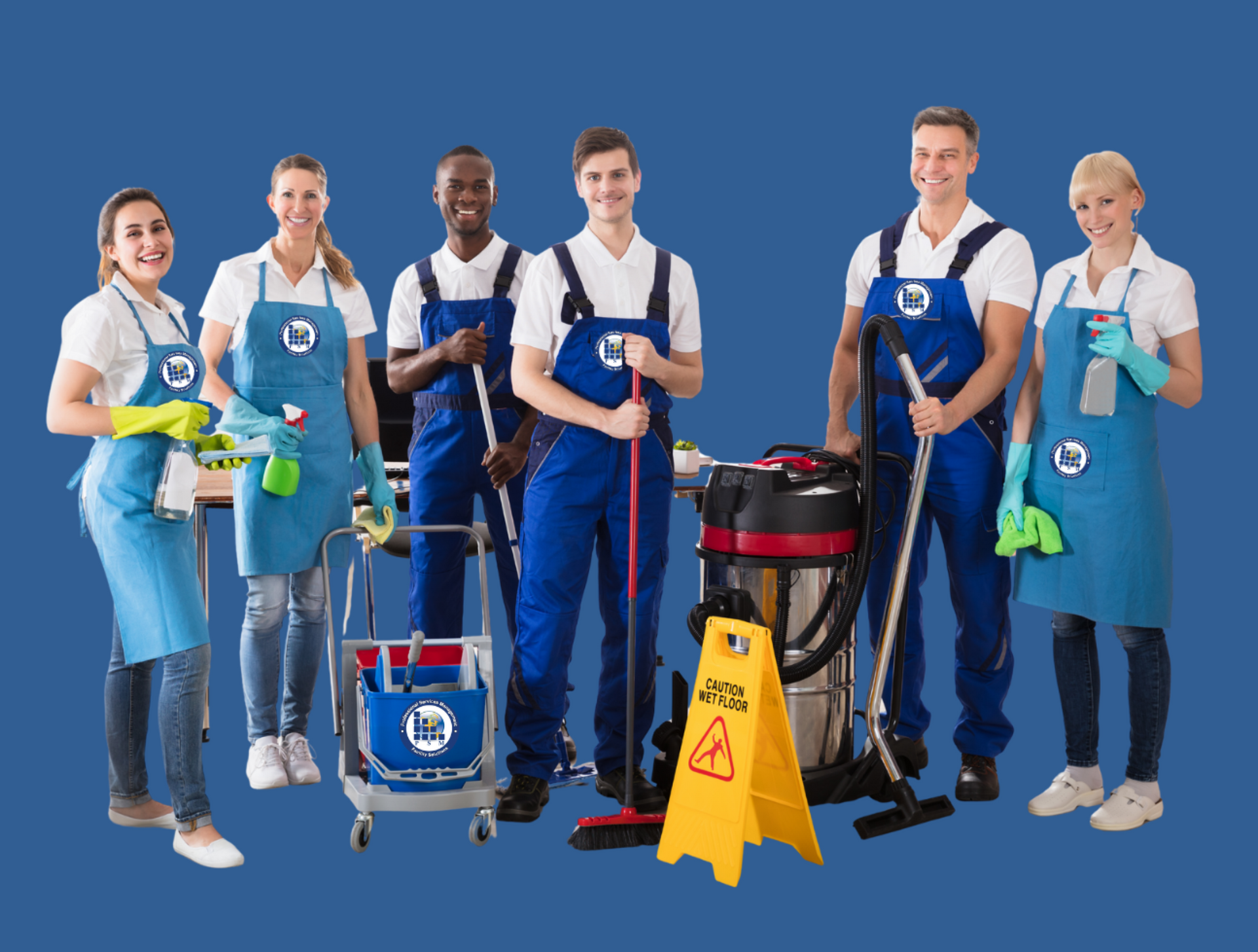
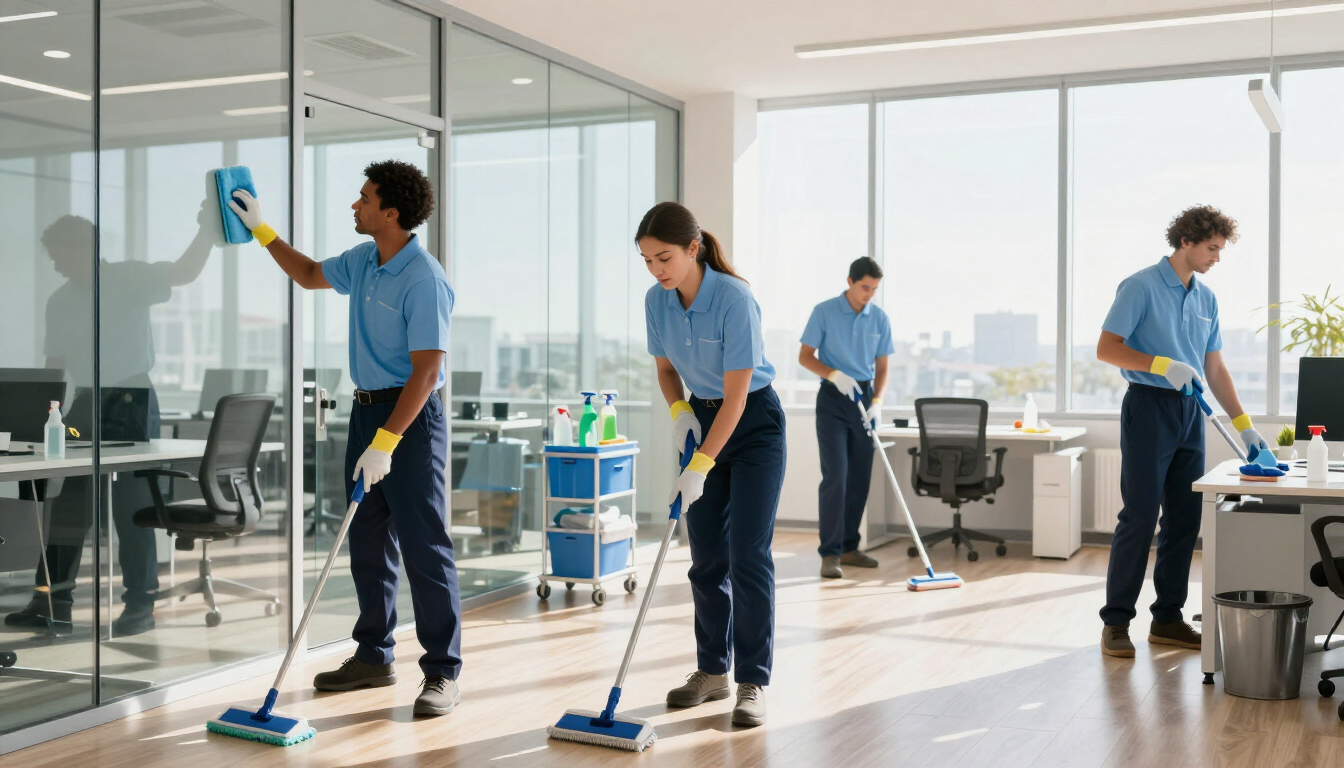
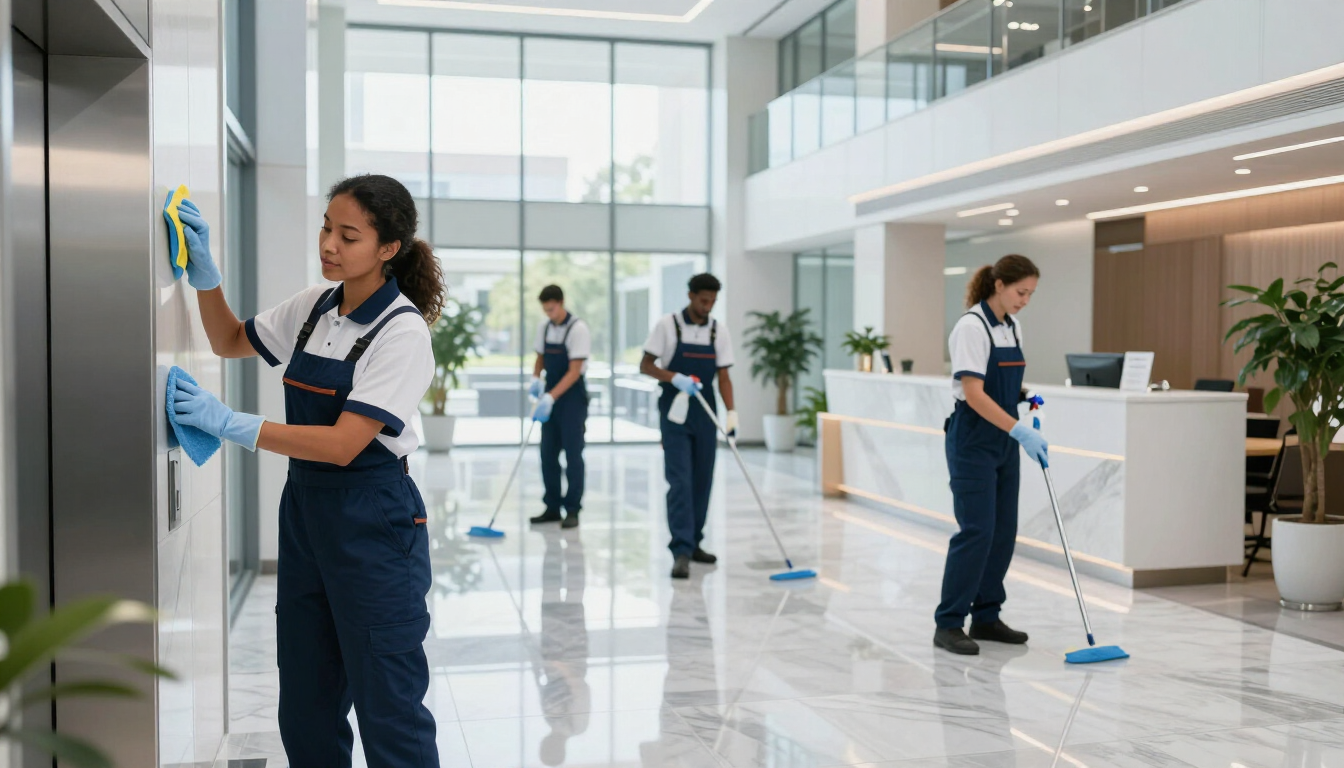
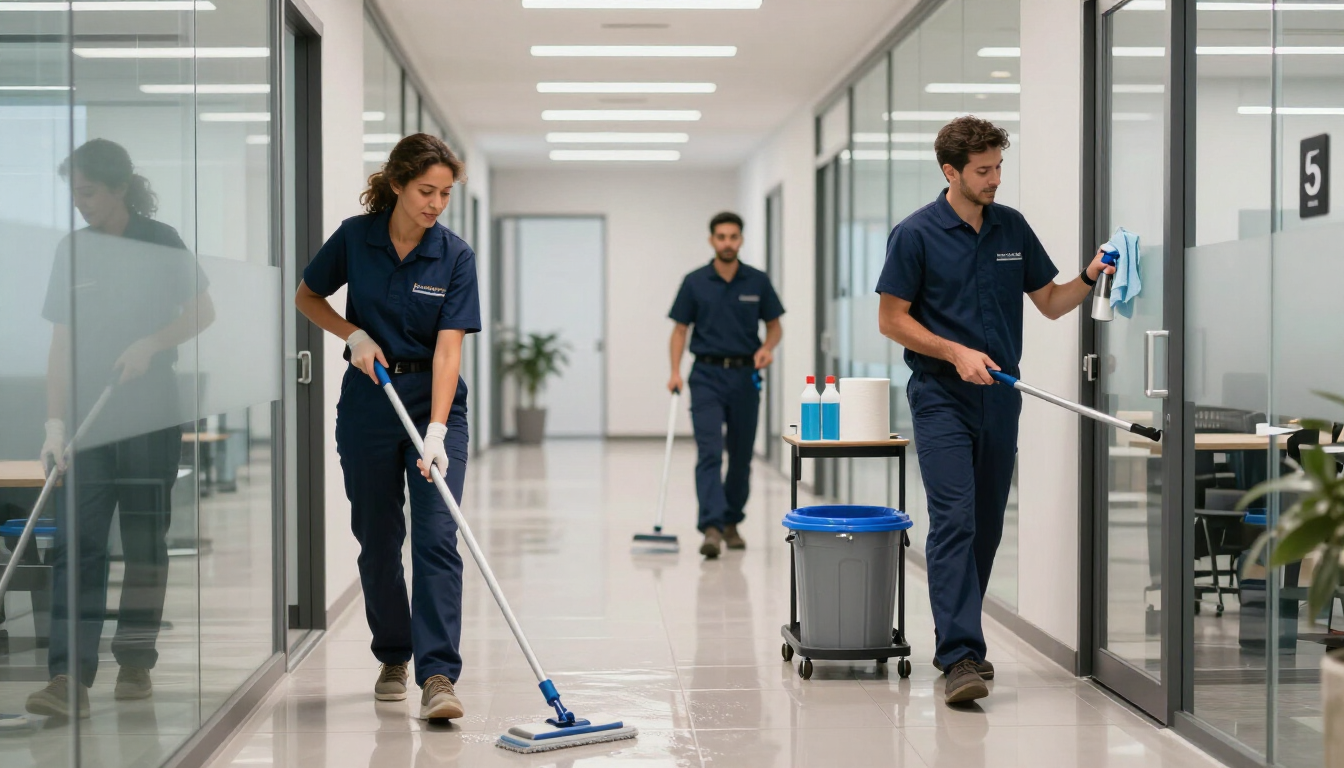
Self-performing janitorial team cleaning a South Florida office

Why are labor shortages affecting janitorial services?

Labor shortages continue to challenge facility managers in 2026. Cleaning work is essential, but recruiting and retaining dependable employees can be difficult. When a provider depends on an unstable labor pipeline, clients may experience:

  • Missed shifts or last-minute cancellations
  • Inconsistent restroom and high-touch-surface cleaning
  • Delayed responses to urgent requests
  • Frequent turnover and unfamiliar staff
  • More time spent managing the cleaning vendor

These problems become especially disruptive in offices, medical facilities, retail locations, government buildings, and industrial properties. A facility may have a cleaning contract, yet still be forced to solve daily staffing issues.

A self-performing provider addresses the problem differently. Rather than passing work through multiple layers, the provider is directly responsible for recruiting, training, scheduling, supervising, and supporting the people who service the building. That direct control creates a more dependable operating structure.

1. Direct accountability improves consistency

The first advantage of a self-performing janitorial team is clear ownership. The company responsible for your contract also manages the employees performing the work. There is less ambiguity about who should respond when a task is missed or a service standard changes.

Direct accountability supports a repeatable process:

  1. The facility’s requirements are documented.
  2. Employees are assigned according to location and scope.
  3. Supervisors inspect work and communicate with the client.
  4. Issues are corrected through the provider’s own management structure.
  5. Results are reviewed and improved over time.

With a subcontractor-heavy model, concerns may move between the primary vendor, a local operator, and individual cleaners. That can slow resolution. A self-performing janitorial team can typically identify the responsible supervisor faster and act without waiting for another company’s approval.

For businesses comparing providers, accountability should be evaluated alongside price. A lower initial quote may not be economical if inconsistent service creates complaints, employee distractions, or facility downtime.

2. How does a self-performing team reduce no-shows?

No-shows are rarely caused by one issue. They may result from turnover, transportation challenges, weak scheduling, poor communication, or a subcontractor’s competing priorities. A self-performing janitorial company cannot eliminate every staffing risk, but it can manage those risks more directly.

Because employees belong to the provider’s workforce, managers can maintain better visibility into attendance, availability, performance, and training. They can also build backup coverage and adjust schedules when a building’s needs change.

A dependable staffing system may include:

  • Vetted employees assigned to specific facilities
  • Uniform and identification requirements
  • Attendance and performance tracking
  • Supervisor check-ins and inspections
  • Cross-training for coverage during absences

This structure matters when cleaning must happen before employees arrive, after business hours, or during tightly controlled operating windows. The goal is not simply to send someone to the property. The goal is to maintain a predictable service routine that facility leaders can trust.

A workforce built around your facility

Every property has different traffic patterns, surfaces, security procedures, health concerns, and scheduling requirements. A self-performing janitorial provider can train employees around those conditions instead of treating every location as a generic assignment.

For example, a medical environment may require careful attention to sanitation procedures and high-touch areas. A retail location may need visible daytime support and rapid response to spills. An office may prioritize quiet after-hours cleaning, meeting rooms, kitchens, and restrooms.

PSM provides flexible janitorial solutions for facilities in South Florida. Explore Janitorial services to see how routine cleaning and facility requirements can be organized around your property.

3. Why does employee training matter for cleaning quality?

Training is more effective when the provider has a direct relationship with the workforce. Managers can establish procedures, observe performance, reinforce expectations, and update training when a client’s needs change.

A strong janitorial training program should address:

  • Product use, dilution, storage, and labeling
  • Safe operation of cleaning equipment
  • Proper dusting, vacuuming, mopping, and restroom care
  • Sanitizing high-touch surfaces
  • Slip, trip, chemical, and personal safety risks
  • Privacy, professionalism, and facility access rules

Training also improves consistency. Employees are more likely to follow the same process when the provider supplies the standards, equipment, supervision, and feedback. This is important for facilities where cleanliness affects customer impressions, employee morale, regulatory readiness, or occupant health.

Quality should be visible through inspections and communication, not assumed because a contract exists. Ask potential providers how they train new employees, who inspects the work, and how corrective actions are documented.

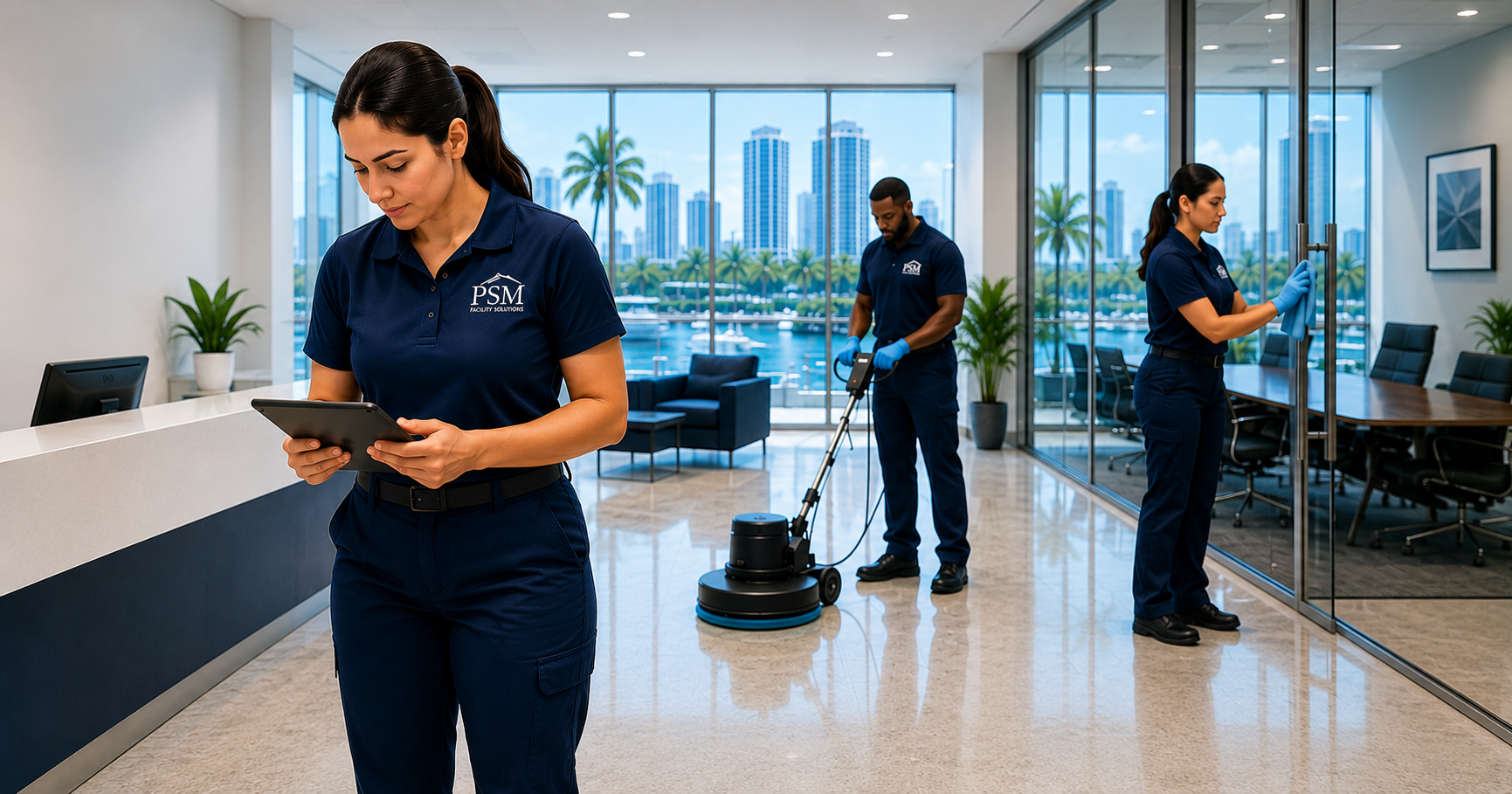
Janitorial supervisor reviewing a facility cleaning checklist

4. Does self-performing improve communication?

It can. A self-performing model usually gives the client a more direct path to the people managing the work. Questions about schedules, supplies, access, special requests, and service recovery can be handled within one operating team.

Better communication helps facility managers:

  • Report concerns without repeating the same information
  • Request service changes more efficiently
  • Coordinate cleaning around events or occupancy changes
  • Escalate urgent needs to an accountable supervisor
  • Receive clearer updates about completion and follow-up

Communication is particularly important when a facility changes quickly. A tenant move, renovation, weather event, inspection, or unexpected spill may require immediate adjustments. A provider with direct operational control is better positioned to coordinate people and resources.

You can learn more about service coordination on How We Work , including how a facility cleaning relationship can be structured around communication and accountability.

5. Can this model provide better cost control?

A self-performing janitorial team is not automatically the least expensive option, but it can provide better value by reducing avoidable service problems. When staffing, supervision, training, and quality control are managed directly, there may be fewer layers adding cost or creating communication gaps.

Cost control can come from:

  • More accurate staffing based on the actual scope
  • Fewer repeated visits to correct missed work
  • Better supply planning and inventory visibility
  • Reduced disruption from turnover and no-shows
  • Clearer alignment between service hours and facility needs

Facility managers should compare total operating value rather than hourly rates alone. Consider the cost of complaints, emergency coverage, employee time spent supervising vendors, missed cleaning tasks, and reputational damage from an unclean environment.

For organizations looking to control internal labor demands, PSM also offers information about reducing staff costs through outsourced facility support.

What should you ask before choosing a janitorial provider?

Before signing an agreement, ask questions that reveal how the provider actually staffs and manages service:

  1. Do you employ the cleaners assigned to our facility?
  2. Who handles recruiting, background checks, training, and scheduling?
  3. What happens if an assigned employee is absent?
  4. How often do supervisors inspect the property?
  5. How are complaints documented and resolved?
  6. Can staffing increase or decrease as our needs change?
  7. Which supplies, equipment, and safety procedures are included?

The answers should be specific. Be cautious of vague promises about “dedicated service” if the provider cannot explain who employs the workers, who supervises them, and how backup coverage works.

A practical fit for South Florida facilities

South Florida properties often manage high humidity, heavy foot traffic, seasonal activity, outdoor-to-indoor debris, and demanding occupancy schedules. These conditions make consistent cleaning and responsive staffing especially important.

A local facility may need daily janitorial service, periodic deep cleaning, restroom support, floor care, sanitation, or flexible coverage during busy periods. The right solution depends on the building’s size, industry, traffic, hours, surfaces, and compliance requirements.

Review PSM’s facility solutions or browse Areas We Serve to identify the service approach that best fits your location.

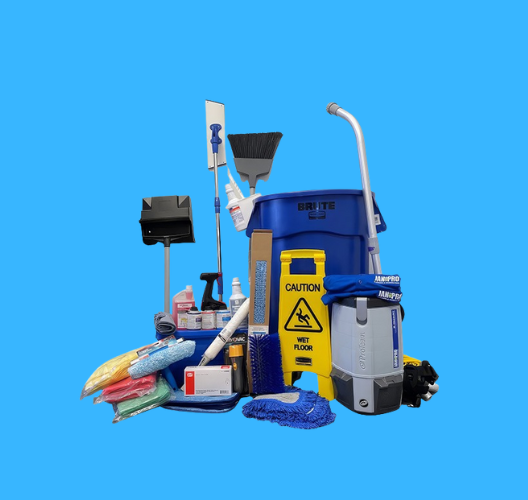
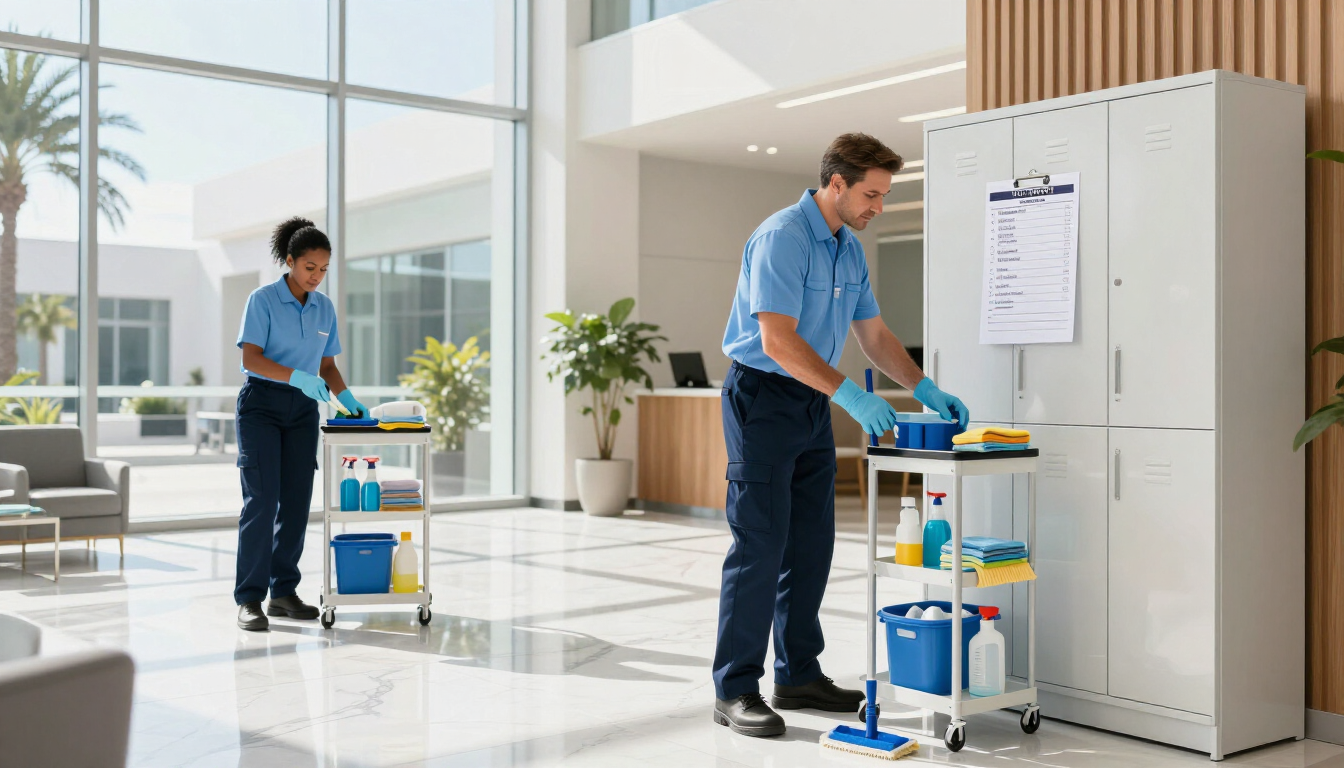
Professional cleaning team preparing supplies for commercial facility service

Frequently asked questions

What is a self-performing janitorial team?

It is a cleaning workforce employed and managed directly by the janitorial provider, rather than primarily outsourced to subcontractors. The provider controls staffing, training, supervision, scheduling, and quality standards.

Is self-performing janitorial service better than subcontracting?

It can be, especially when consistency, accountability, communication, and backup staffing are priorities. The best choice depends on the provider’s workforce, management systems, service scope, and ability to meet the facility’s requirements.

How can a facility verify a provider’s staffing model?

Ask whether the cleaners are employees or subcontractors, who supervises them, how absences are covered, and how inspections are completed. Request a clear explanation in the proposal or service agreement.

The safest next step

A self-performing janitorial team gives facility managers more direct control over the people, processes, and standards behind daily cleaning. That makes the model a strong option when labor shortages, no-shows, inconsistent quality, or slow communication are creating operational risk. When comparing providers, look beyond the quoted rate: evaluate employee screening, training, supervision, backup coverage, inspections, and responsiveness. For South Florida facilities, the next step is to define your cleaning scope and ask providers how they will staff it reliably. Request a quote from PSM to discuss a flexible janitorial solution for your facility.


Insights to fuel a clean business

Sign up to get industry insights, trends, and more in your inbox.

Contact Us

SHARE THIS

Latest Posts

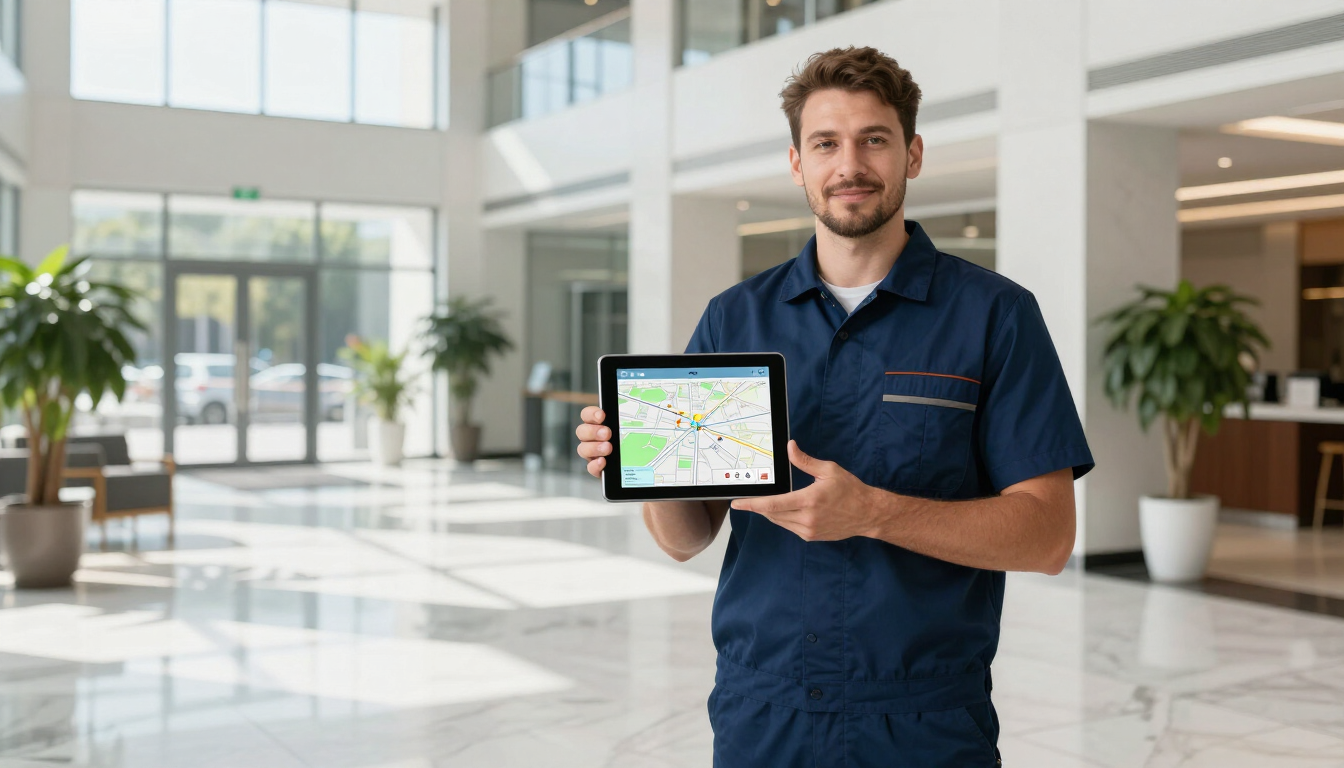
Professional cleaning verification via GPS technology in a commercial setting
By PSM Facility Solutions • September 8, 2026
Discover why Proof of Service is mandatory for modern facility management and how GPS tracking ensures your janitorial services are actually performed.
Stressed facility manager reviewing multiple vendor contracts and invoices in a modern office.
By PSM Facility Solutions • August 31, 2026
Managing multiple facility maintenance vendors leads to hidden administrative and operational costs. Learn how vendor consolidation improves efficiency and lowers your bottom line.
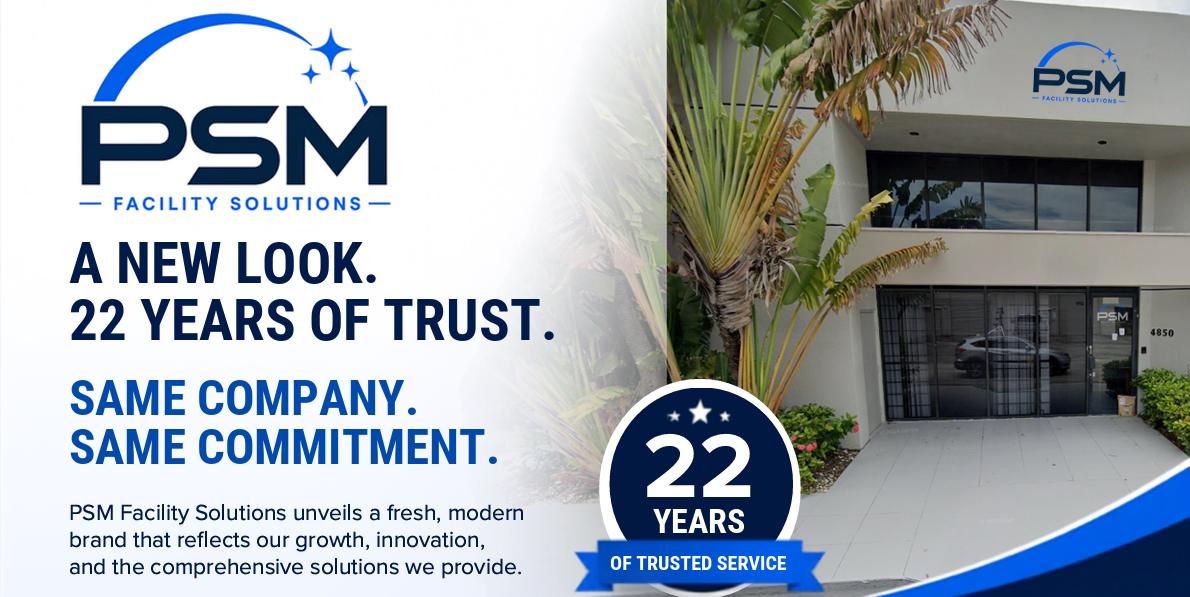
PSM Facility Solutions new modern brand identity logo and clean facility environment
By PSM Facilities • August 20, 2026
PSM Facility Solutions unveils a fresh, modern brand reflecting 22 years of growth and innovation in South Florida janitorial and maintenance services.
A modern, clean commercial facility in South Florida representing consolidated services.
By PSM Faciity • July 28, 2026
Learn why partnering with one facility management company for cleaning, maintenance, and supplies reduces costs and improves efficiency compared to multiple vendors.
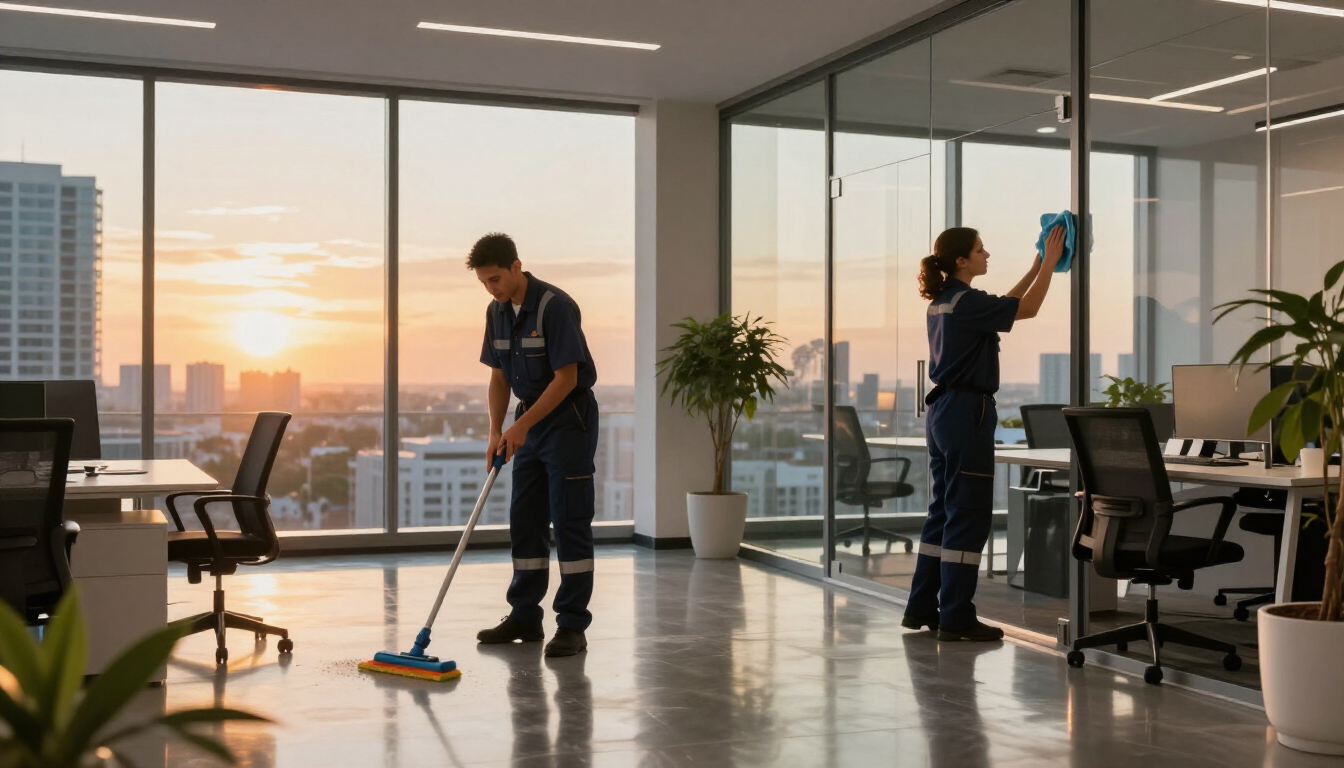
Professional janitorial team in a Miami office building lobby
June 7, 2026
Discover why the self-performing model for facility management is the superior choice for Miami businesses, offering better quality control and reliability.
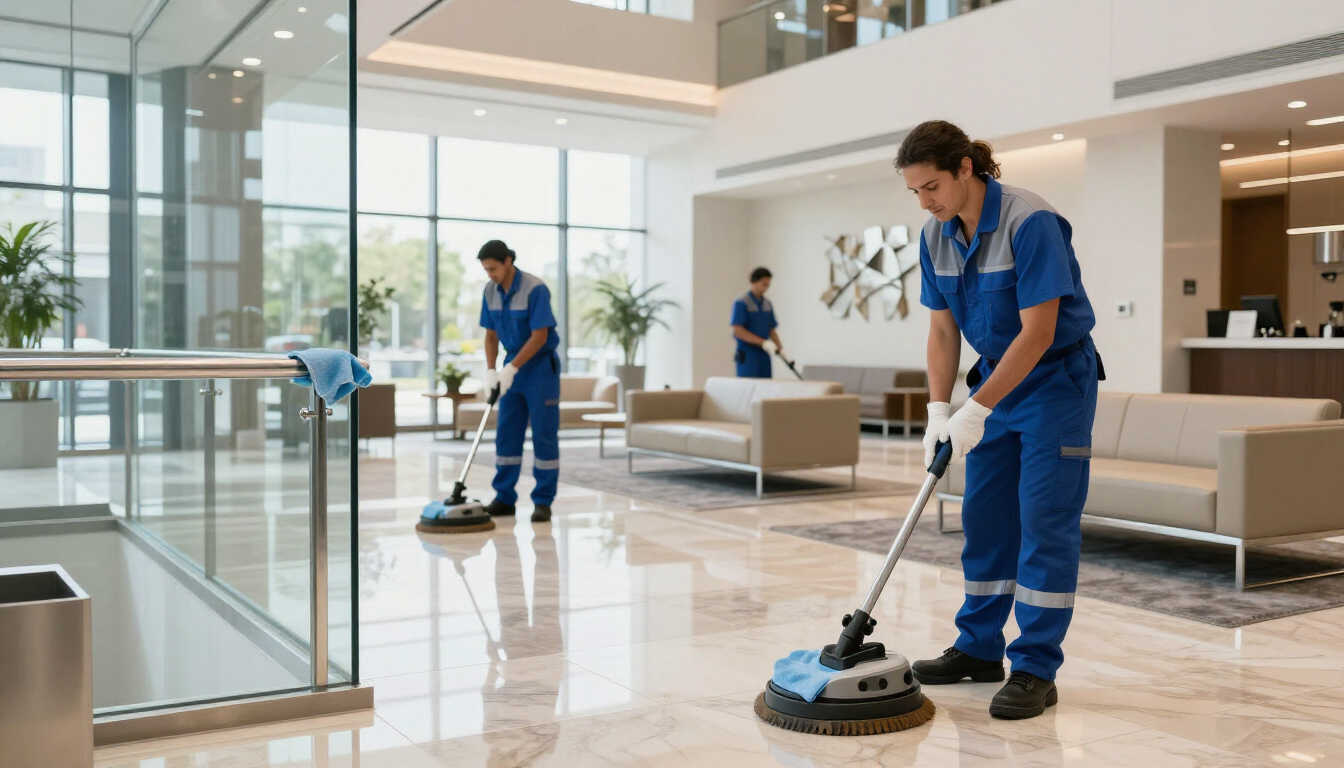
Professional janitorial staff cleaning a commercial office space.
June 7, 2026
Discover the key differences between commercial cleaning vs janitorial services. Learn which solution fits your South Florida business needs for daily maintenance or deep cleaning.
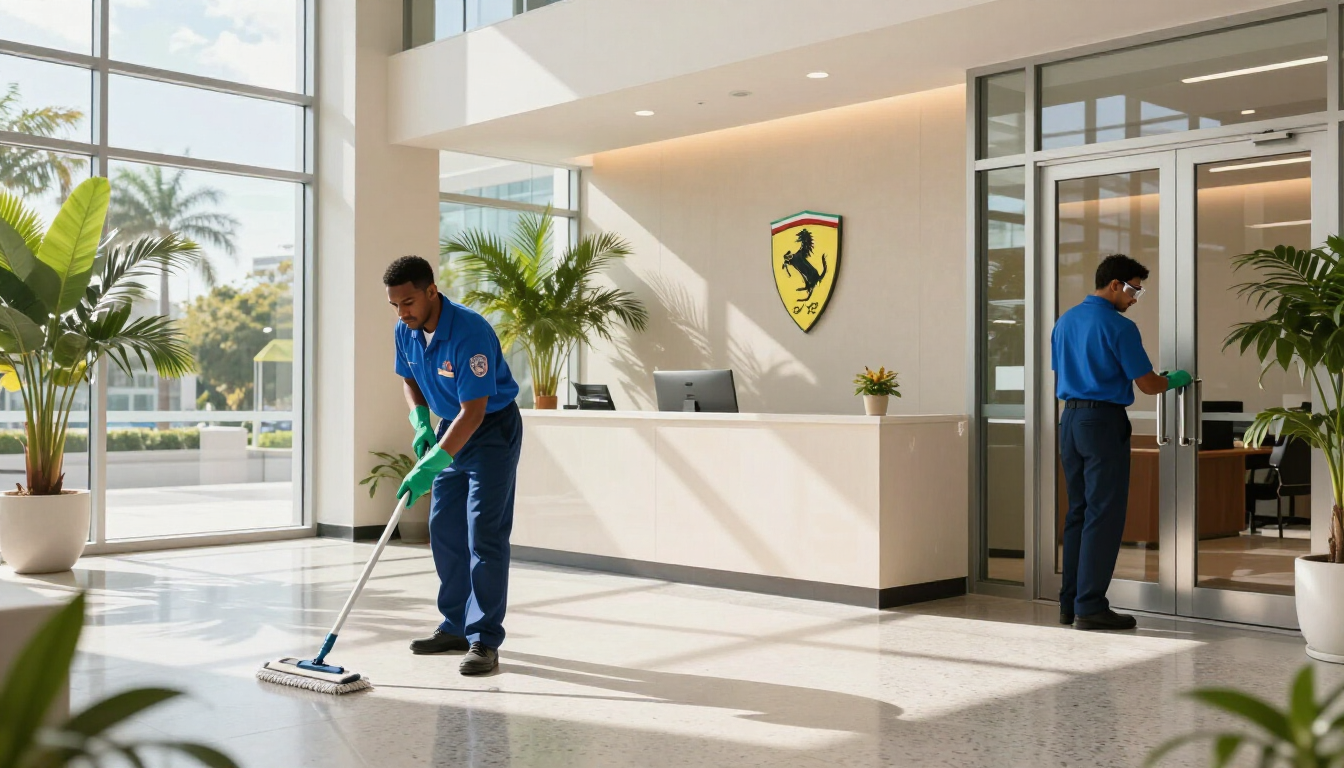
Professional janitorial services for South Miami commercial buildings.
June 7, 2026
Discover how professional janitorial and porter services in South Miami keep commercial and industrial buildings pristine. Learn the benefits of daytime maintenance and deep cleaning for your facility.